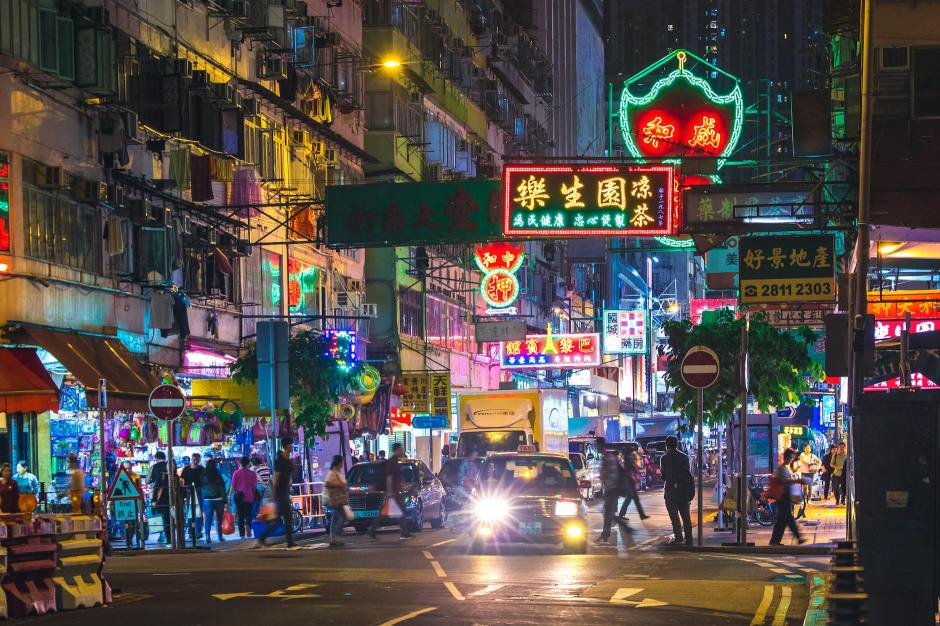
Hong Kong’s tourism industry has long been a key player in the local economy, but recent shifts in visitor behavior and expectations have challenged businesses to adapt. Instead of merely lamenting a decline in tourist spending, officials are urging companies to innovate and create compelling reasons for travelers to spend. The Deputy Chief Secretary for Administration, Warner Cheuk Wing-hing, emphasized that tourists are still eager to explore and spend, but they now seek higher-quality experiences that are worth their money.

Innovating Tourist Experiences to Meet Rising Expectations
Tourists, especially those from mainland China, are increasingly seeking more diverse and immersive experiences, such as city walks and cultural tours, rather than just shopping. Warner Cheuk stressed that businesses should focus on creating products and services that meet these heightened expectations. The days of relying solely on traditional attractions and retail offerings are over. Instead, there’s a need for innovation that makes tourists feel valued and engaged.
To capitalize on this trend, companies must reflect on how they can enhance the overall visitor experience. Whether it’s through offering unique cultural tours, modernizing facilities, or creating personalized travel packages, the key is to ensure tourists feel like they are getting more than just a typical vacation. This shift from quantity to quality is crucial for boosting tourist spending in the long term.
Addressing Challenges in the Tourism and Retail Sectors
Lawmaker Peter Shiu Ka-fai, representing Hong Kong’s retail sector, highlighted that while innovation is critical, businesses face significant challenges, such as staff shortages and heavy workloads. These issues limit the capacity of many operators to implement changes swiftly. However, Shiu noted that embracing innovation could help overcome some of these obstacles. By offering better training and creating more efficient business models, companies can improve service standards and offer tourists experiences that are both memorable and worth spending on.
In addition to operational improvements, another challenge is the growing trend of Hong Kong residents heading to nearby Shenzhen for shopping and leisure. While this movement is hard to control, Shiu suggested that the government could explore initiatives to attract more mainland Chinese tourists to Hong Kong, such as expanding visa schemes and offering multiple-entry options for residents of Shenzhen and other provinces. Such efforts would help balance the outbound travel flow and encourage tourists to spend locally.
Developing New Attractions and Embracing Cultural Diversity
The Hong Kong government is already taking steps to create new tourism initiatives aimed at enhancing the city’s appeal. John Lee Ka-chiu announced the formation of a working group, led by Warner Cheuk, to focus on developing innovative tourist spots across all districts. The group aims to gather input from a variety of sectors to ensure that new projects reflect both local culture and international appeal.
One of the major opportunities for growth is catering to tourists from the Middle East and ASEAN countries. By compiling a list of halal restaurants, encouraging commercial establishments to install prayer rooms, and providing multilingual services, Hong Kong can tap into this growing market. The government is also pushing for simple, welcoming gestures like displaying Arabic signs in taxis, which can make a huge difference in creating a more inclusive and welcoming environment for foreign visitors.
Additionally, Cheuk suggested leveraging Hong Kong’s rich culinary heritage by developing new street food markets, inspired by the success of temporary night markets like the one at Temple Street. These markets not only showcase Hong Kong’s vibrant food scene but also attract both tourists and locals, offering a fun, casual environment where spending comes naturally.
Conclusion: The Path to a More Resilient Tourism Industry
Hong Kong’s tourism sector is at a crossroads, with rising visitor expectations and regional competition posing both challenges and opportunities. The solution lies in innovation—creating experiences that are unique, appealing, and worth spending on. By addressing operational challenges, embracing cultural diversity, and leveraging the city’s strengths, Hong Kong can reinvigorate its tourism industry and encourage more meaningful spending from visitors. As Warner Cheuk emphasized, the focus must shift from complaints to creative solutions that meet the needs of the modern traveler.
 Holidays Travel
You must be logged in to post a comment.