Over the past few years, one such village, under Shiliang Town of Longkou City in Shandong Province of eastern China, has boomed economically due to a somewhat new concept: rural tourism and holiday homestays. Rich natural beauty has fueled the economy of the villagers.
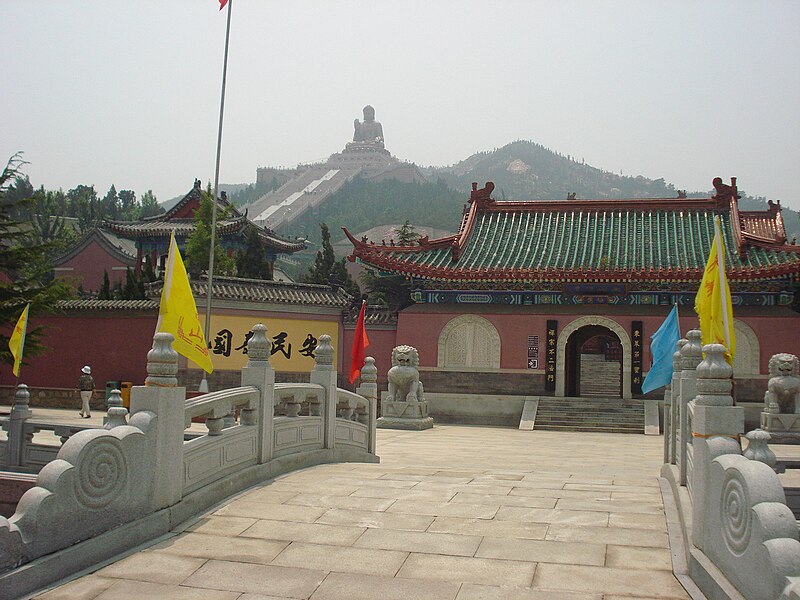
For instance, Longkou City has been working hard to improve rural infrastructural conditions, incorporating better integration of urban and rural water supply systems, domestic sewage treatment in rural areas, and enhancement of rural road networks. These are aimed at improving the living standards for all residents by being able to provide better public services and create a more comfortable living environment in rural areas.
One of the big projects that has been done in Longkou City is the integration of the urban and rural water supply systems. Water supply networks from the northwest plains have been extended to the more remote southeastern mountainous regions, hence guaranteeing reliable access to water for even the most isolated communities and closing the gap between urban and rural living standards.
Longkou City has also made significant contributions toward the solution of rural sewage problems. The city completed 183 village sewage treatment projects, greatly decreasing environmental pollution and improving health and hygiene conditions within rural communities. These infrastructure improvements set the stage for a more sustainable and prosperous future for people living in these areas.
For Longkou City, a comprehensive way in which to revamp the whole network of rural roads connecting any village has been adopted. It has worked hard on the renovation of existing roads and access routes and improvement works of general road conditions for better connectivity in rural communities.
Longkou City has been doing much in terms of improving its road network, so that no village, no matter how remote, would lose out on better transportation services. This has facilitated access to services by residents, but it also strengthens rural-urban linkages, thus promoting economic growth and social integration.
Improved road conditions and expanded transport services have also played their part toward overall development. It improved the quality of life by better access to markets, healthcare, and education. This holistic approach to rural road construction thus satisfies the immediate need for infrastructure at the same time as laying the foundation for long-term sustainable development in the region.
 Holidays Travel
You must be logged in to post a comment.